Home
Home  Navigation


In 1947, The Walt Disney Company faced a dire financial crisis, burdened by a $4 million debt stemming from the underperformance of *Pinocchio*, *Fantasia*, and *Bambi*. World War II and other factors had significantly impacted the studio's European markets and overall profitability. However, the release of *Cinderella* in 1950 proved to be a pivotal moment, rescuing the company from potential ruin and securing its legacy.
As *Cinderella* celebrates its 75th anniversary, we explore the film's remarkable impact, not only on Disney's financial stability but also on a world yearning for hope and optimism in the post-war era. The story's resonance mirrors Walt Disney's own journey, a testament to perseverance and the power of believing in one's dreams.
The Right Film at the Right TimeDisney's success with 1937's *Snow White and the Seven Dwarfs* enabled the construction of the Burbank studio and fueled ambitions for more feature-length animated films. However, subsequent releases like *Pinocchio* (despite critical acclaim and awards), *Fantasia*, and *Bambi* fell short of expectations, accumulating significant debt. The outbreak of World War II played a major role, severely limiting European markets and diverting the studio's resources towards war-related projects.
"Disney's European markets dried up during the war, impacting films like *Pinocchio* and *Bambi*," explains Eric Goldberg, co-director of *Pocahontas* and lead animator on *Aladdin*'s Genie. "The studio was involved in making training and propaganda films, and later, the 'Package Films'—collections of shorter cartoons—while financially viable, weren't the feature-length narratives the studio was known for."
These Package Films, including *Saludos Amigos* and *The Three Caballeros* (part of the U.S. Good Neighbor Policy), helped manage the financial situation but ultimately hindered the creation of full-length animated features. Walt Disney himself expressed his desire to return to feature films, facing internal conflict and considering drastic measures if *Cinderella* failed.
With *Alice in Wonderland* and *Peter Pan* also in development, *Cinderella* was chosen for its similarities to *Snow White* and its potential to offer hope and joy to a war-weary world. Tori Cranner, Art Collections Manager at the Walt Disney Animation Research Library, notes, "Walt understood the need for hope and joy after the war, and *Cinderella* was the perfect choice for that moment."
Cinderella and Disney’s Rags to Riches Tale
Walt Disney's fascination with *Cinderella* dated back to 1922, when he created a short film during his Laugh-O-Gram Studios days. The story, adapted from Charles Perrault's classic tale, resonated with Disney's own journey, reflecting themes of perseverance and achieving dreams against all odds. While the early animation attempts weren't commercially successful, the underlying narrative of a rags-to-riches story held enduring appeal.
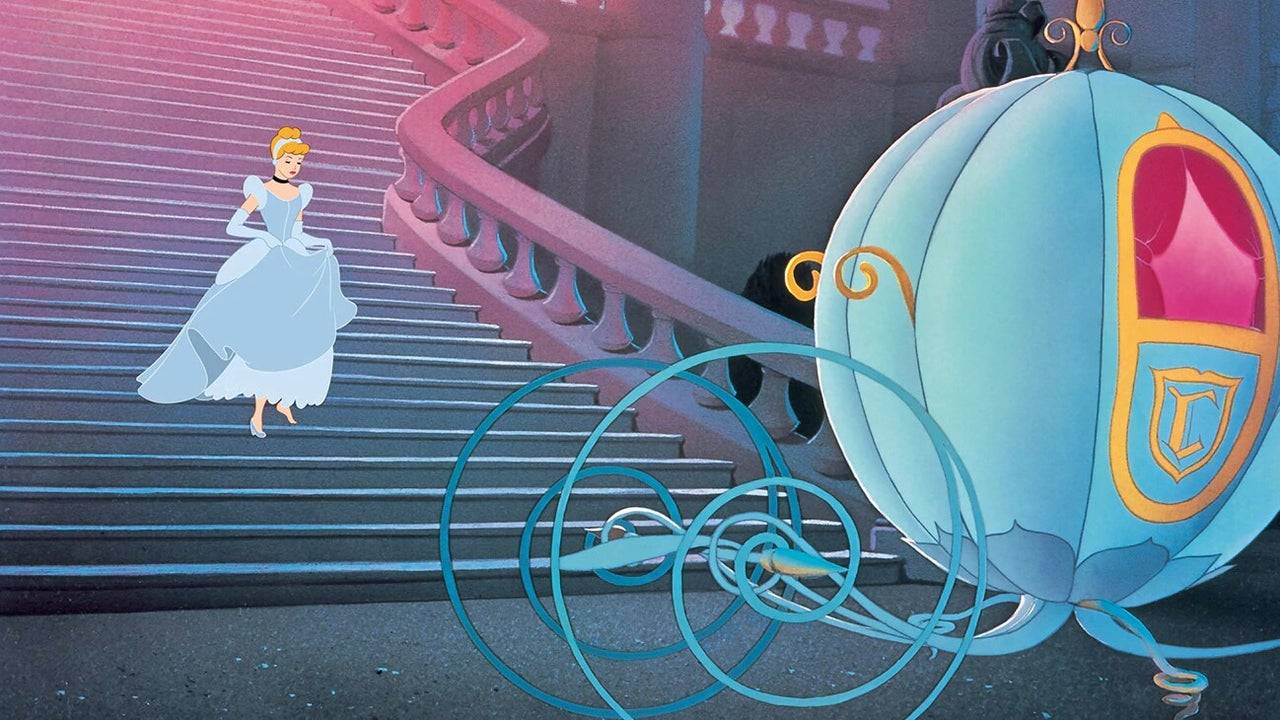
Walt described Cinderella as a more proactive character compared to Snow White, emphasizing her agency in pursuing her dreams. This resonated with his own entrepreneurial spirit and determination in the face of adversity. The project, initially conceived as a Silly Symphony short in 1933, evolved into a feature film over a decade, finally reaching the screen in 1950.
Disney's adaptation modernized the fairytale, making it universally appealing while retaining its core message. Goldberg highlights Disney's ability to infuse the story with his own creative vision, making it more relatable and enjoyable for a broader audience. The addition of Cinderella's animal friends provided comic relief and allowed for emotional depth.
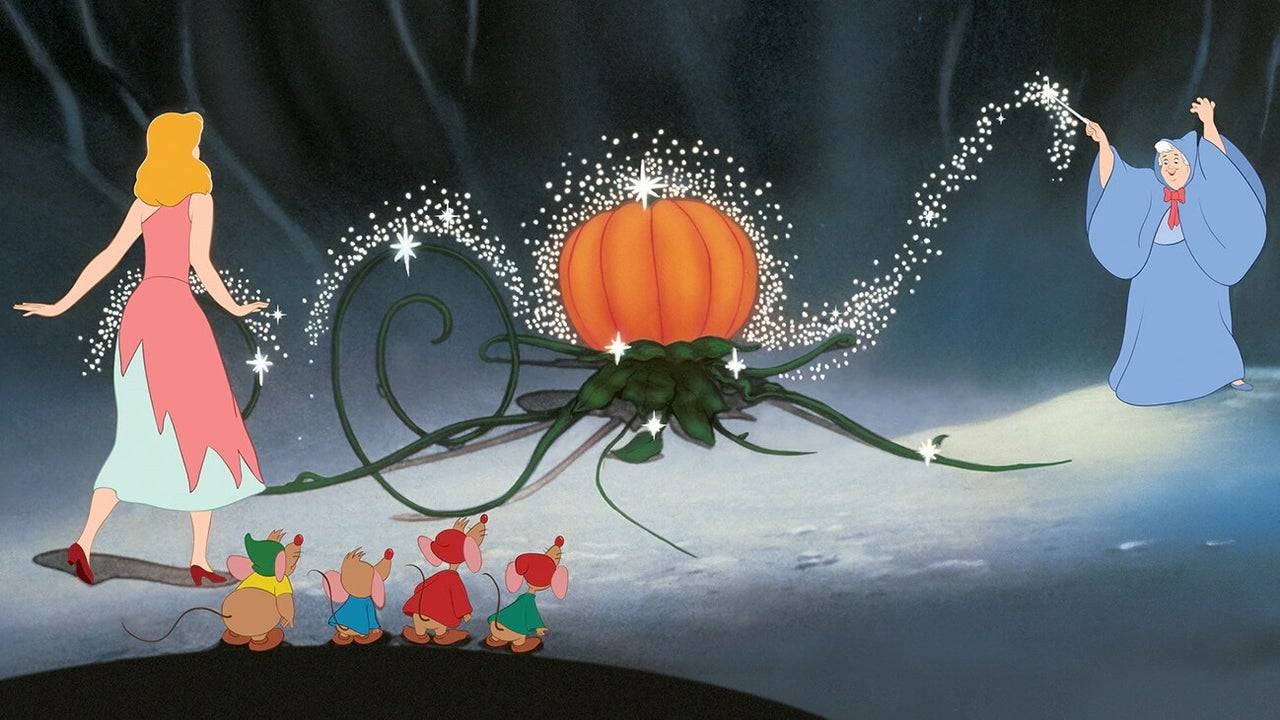
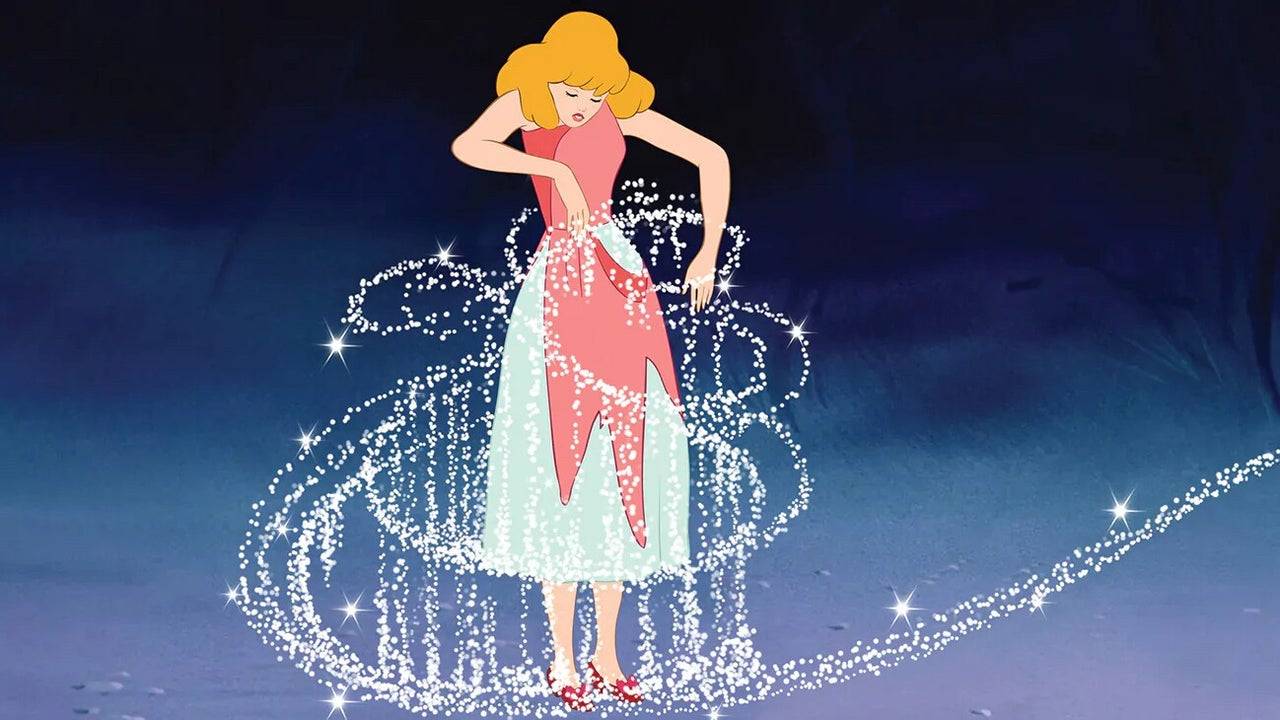
The Fairy Godmother's portrayal, a more relatable and bumbling character than in previous versions, further enhanced the story's charm. The iconic transformation scene, meticulously animated by Marc Davis and George Rowley, remains a testament to Disney's artistic prowess, with its hand-drawn sparkles and magical atmosphere captivating audiences for generations.
Cranner emphasizes the subtle yet powerful moment of stillness before the transformation, creating a sense of anticipation and wonder. The broken glass slipper, a Disney addition, underscores Cinderella's strength and resourcefulness. Goldberg points out Cinderella's agency and strength of character, contrasting her with more passive female protagonists in other films.
*Cinderella*'s premiere in 1950 was a resounding success, exceeding expectations and revitalizing the Disney studio. Its financial triumph and critical acclaim signaled a return to form, paving the way for future classics like *Peter Pan*, *Lady and the Tramp*, and many more.
75 Years Later, Cinderella’s Magic Lives On
Cinderella's enduring legacy continues to inspire Disney's creations, influencing modern films like *Frozen*. Becky Bresee, lead animator on *Frozen 2* and *Wish*, notes the direct connection between Elsa's dress transformation and Cinderella's, highlighting the enduring influence of the earlier film's artistic style and emotional impact.
While many talented individuals contributed to *Cinderella*'s success, including the Nine Old Men and Mary Blair, the film's enduring power lies in its message of hope and perseverance. Goldberg concludes, "The big thing about *Cinderella* is hope—the belief that dreams can come true with perseverance and strength."
 Latest Articles










 Latest Games